


Screen-Free Play for Kids: A Parent Guide to Puzzles and Quiet Time
Published · Updated · Kiddil

If you want an alternative to the tablet today: agree on when screen time ends, offer two small activities, and join your child for the first few minutes. A puzzle is one option; drawing, a story or a walk may work better on another day. The American Academy of Pediatrics (AAP) encourages families to make age-appropriate media plans and balance media with other activities, rather than expecting a single toy to solve screen-time conflict (AAP Family Media Plan guidance). This parent guide is about the transition and the shared play, not a promise that a “brain game” will increase IQ or attention.
A four-step transition after screen time
- Make the end predictable. Tell your child what happens next before starting the video or game. Keep the wording simple and use the same routine most days.
- Give one calm reminder. When it is time, name the feeling if they are disappointed. Avoid turning the next activity into a punishment.
- Offer two real choices. “Shall we draw a road or do three puzzle pieces?” Both choices should be possible with what you have.
- Join briefly, then follow their lead. Put down a first piece or draw a first line, then let the child continue, change the idea or take a break.
The AAP's 5 C's questions for toddlers and preschoolers ask parents to consider the child, the content and what media might crowd out. A difficult transition is not proof that a child needs a more expensive toy.
Match the activity to the child, not a “focus” claim
Under three: simple, large and supervised
Try a big safe object in and out of a container, sorting large socks, a cloth hiding game, or a picture book together. UNICEF offers many no-cost activities for babies and toddlers. Small jigsaw pieces and older siblings' logic-game parts must stay out of reach of children under three.
Ages 3–5: one small problem at a time
Draw a path with a pencil, sort picture cards by colour, or place a few puzzle pieces together. Kiddil's Giza Pyramids 24-piece puzzle is listed for ages 3–5; you can start with only part of the picture. The Pocket Sliding Maze is also listed for ages 3–5 and invites a child to try a move, see what happens and try again. Follow each box's instructions and warnings. Our first-jigsaw steps show how to help without taking over.
Ages 6 and up: discuss a plan
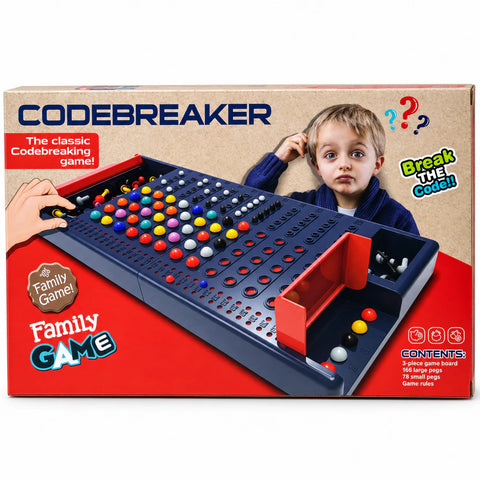
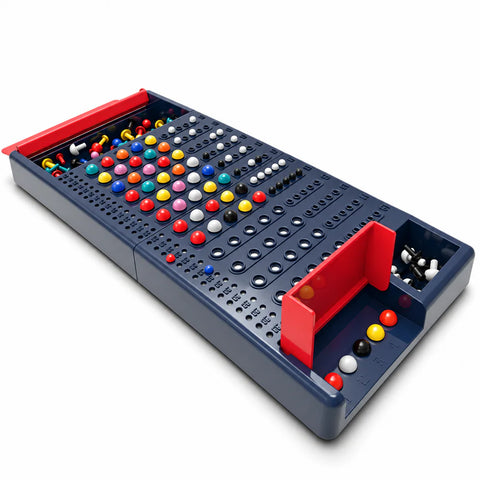
Try a paper maze, a homemade treasure map or a deduction game. In Kiddil's Codebreaker, listed for ages 6–8, two players use clues to narrow a hidden colour code. Let the child explain a guess; there is no need to time or score their thinking. Browse brain teasers by the age on each product.
When a puzzle feels too hard
Use fewer pieces or a simpler clue, take turns, or leave it for another day. A child does not have to finish for the play to count. If the child wants movement instead, a short walk or indoor dance may be a better choice. The aim is an inviting alternative, not an argument about completing a task.
A safety check before leaving the activity out
Read the package age and small-parts warning, check for broken pieces, and put older children's magnets, batteries and small components away when a younger child can reach them. The US Consumer Product Safety Commission explains the under-three small-parts risk (CPSC safety guidance); follow the actual product warning in Egypt.
Questions parents ask
Will puzzles replace screen time completely?
No single activity works for every child or every day. A family routine with different choices is more realistic than expecting one puzzle to compete with every screen.
Do brain teasers improve focus?
They offer a chance to practise looking, trying and talking through a problem, but a product cannot guarantee a longer attention span or higher IQ.
What if my child is upset when the screen ends?
Stay calm, keep the limit predictable and offer connection before the next activity. If media conflict is persistent or concerning, discuss it with your child's clinician and use the AAP's family media resources.
Read next: activities at home by age · focus and concentration play by age · puzzles.
Toys in this guide
Check each toy's age, contents and warnings before choosing. Prices and availability come from the store.


About Kiddil: an online shop for toys and children's books in Egypt, for ages 0 to 12. Delivery to every governorate (EGP 79, free from EGP 1,500), cash on delivery and 14-day returns. All toys · Children's books