



Sibling Jealousy When a New Baby Arrives: Help Your Older Child Adjust
Published · Kiddil
A new baby changes how a family spends its time. An older child may be curious and loving one minute, angry or clingy the next. These mixed feelings are common, especially when much of a parent's attention shifts to the newborn. The aim is to help the older child feel secure and teach gentle behavior, rather than demand instant affection (American Academy of Pediatrics; NHS sibling guidance; ZERO TO THREE).
Before the baby comes home
- Ages one to two: use simple words such as “baby”, “brother” and “sister”, and keep reassuring your child that you love them. A picture book about a new sibling can make the idea familiar (AAP).
- Ages two to four: show photos of when your older child was a baby. Explain honestly that a newborn cries and needs a lot of care and cannot play together right away. Let the child help choose a small item for the baby if they want to (AAP).
- School age: explain the changes in a way the child understands, and invite them to prepare the baby's space without making them responsible for care (AAP; NHS).
If possible, avoid piling a big change such as toilet training or moving from a cot to a bed on top of the birth. The AAP suggests making such changes well before the baby arrives or waiting until the family settles (AAP).
After the baby arrives: five small habits
- Keep a pocket of one-on-one time. Read, draw or talk with the older child, even if the time is short. Ask a partner or relative to care for the baby when you can. Invite visitors to greet the older child too (AAP).
- Name the feeling without shame. Try: “It's hard to wait while I feed the baby. I'll sit with you when I'm done.” The child can dislike the wait and still be expected to act safely (ZERO TO THREE).
- Offer a role, not a job. “Would you like to choose a clean nappy or sing to the baby?” Accept a no. Young siblings need attention themselves and should not carry a parent's responsibility (NHS; ZERO TO THREE).
- Show gentle contact. Demonstrate with a doll, then guide the child's hand near the baby. Stay close and intervene if they become rough. If they hit or grab, stop the action calmly and move them to another activity; address the behavior rather than calling the child “bad” (ZERO TO THREE).
- Keep familiar routines where possible. A regular story, meal or bedtime ritual tells the older child what to expect. Notice kind moments, without demanding that they love the baby right away (NHS; ZERO TO THREE).
What if the older child starts acting younger?
Clinginess, baby talk or toilet accidents can happen after a birth. The AAP describes this as a common response to change. Respond with reassurance and practical help rather than “You're a big kid now” or punishment. If a change is persistent, severe or worries you, ask your child's clinician for advice (AAP; ZERO TO THREE).
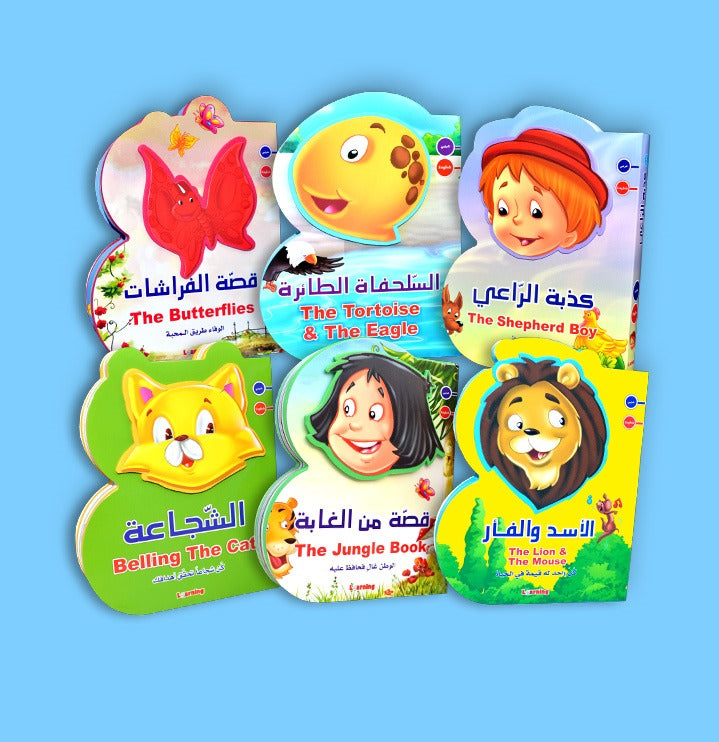
A story is a gentle way to open a conversation. Kiddil's Bilingual Moral & Fantasy Stories is labelled for ages two to five. It is a general collection about feelings and choices, not a book specifically about a new sibling or a treatment for jealousy. Read together and ask which character's feeling your child recognises. For more ways to handle big feelings, see our toddler tantrum guide.
When to get support
If anyone may be hurt, separate the children and make them safe first. Ask your pediatrician or a qualified child-health professional if aggression repeats, you cannot keep the baby safe, or the family's adjustment is seriously difficult. The NHS recommends seeking support when the family is struggling with the new arrangement (NHS).
Questions parents ask
Is it normal for my child to be jealous of the new baby?
Yes. Love, interest, anger and jealousy can all appear together. A new baby changes attention and routines, and children need time to adjust (AAP; NHS).
Should I make the older child help with the baby?
Invite them to do a small age-appropriate task if they want to, such as choosing clothes or singing. Do not force it or give them adult responsibility (NHS; ZERO TO THREE).
What if my child hits the baby?
Stop the action immediately, keep the baby safe and guide the child to another activity. Later, demonstrate gentle touch and talk about anger without shame. Seek professional help if you cannot keep the children safe (ZERO TO THREE; NHS).
Why has my toilet-trained child started having accidents?
Some older children temporarily return to younger behavior after a new sibling arrives. Reassure them and respond to accidents without punishment. Ask a clinician if you are concerned about a persistent or severe change (AAP; ZERO TO THREE).
Will a gift stop sibling jealousy?
A small gift may help a child feel included, but it cannot replace attention, reassurance and time to adjust. The AAP suggests one-on-one time as well as, optionally, a special gift (AAP).
About Kiddil: an online shop for toys and children's books in Egypt, for ages 0 to 12. Delivery to every governorate (EGP 50, free from EGP 1,500), cash on delivery and 14-day returns. All toys · Children's books