




Toddler Tantrums and the ‘Stubborn Child’: What to Do Before, During and After
Published · Kiddil
When a toddler says “no” or melts down in a shop, it can feel like stubbornness. Often they are trying to express a need or frustration with words and self-control that are still developing. Tantrums are common from about 18 months and particularly between ages one and three. Children vary, and a tantrum does not mean you have failed as a parent (NHS tantrum guidance; American Academy of Pediatrics).
Before the tantrum: notice the pattern
For a few days, note what happened just before the upset: a missed nap, hunger, a sudden switch from play, a crowded place or a difficult task. The NHS and AAP both point to tiredness and hunger as common triggers. Plan a snack, rest or shorter trip when you can; no plan prevents every tantrum (NHS; AAP).
Give one short direction that fits your child's age: “Please put the blocks in the box.” Show them if needed. Offer two acceptable choices, such as “blue shirt or red shirt?”, when a choice is possible. The CDC recommends clear, positive directions, one at a time, and small choices rather than a stream of vague “stop it” commands (CDC directions guide). Praise a specific effort when you see it: “You put the blocks away; thank you.”
During a tantrum: a four-step response
- Make the space safe. Move breakable objects and keep the child away from traffic, stairs and anything they could throw at someone. Stop hitting or biting immediately and calmly; do not hit back (NHS; AAP).
- Use a quiet voice and few words. Get near the child and say something simple: “You're upset. I'm here.” Long explanations are easier to hear after the child has calmed down. The NHS suggests helping toddlers name their feelings (NHS emotion guidance).
- Hold a kind boundary. “You can be angry. I won't let you hit.” If you said no to an unsafe or unavailable thing, do not reverse the decision simply to stop the crying. Offer a safe alternative when one exists (NHS).
- Wait and reconnect. Stay close enough to keep the child safe, and give them time. If they want a hug when they are ready, offer one. Your child may need comfort even if the limit remains.
If you feel close to shouting, ask another trusted adult to take over for a moment when possible. The AAP recommends taking a break when your own frustration climbs (AAP).
Afterwards: teach the missing skill
Once calm, keep the conversation short: “You wanted to keep playing and felt angry. Next time say ‘one more minute’ or ask for help.” Practise those words when no one is upset. For a younger child, model a gesture or simple word. Notice the next small success. Avoid calling the child “bad” or “stubborn” as an identity; describe the action you want to change.
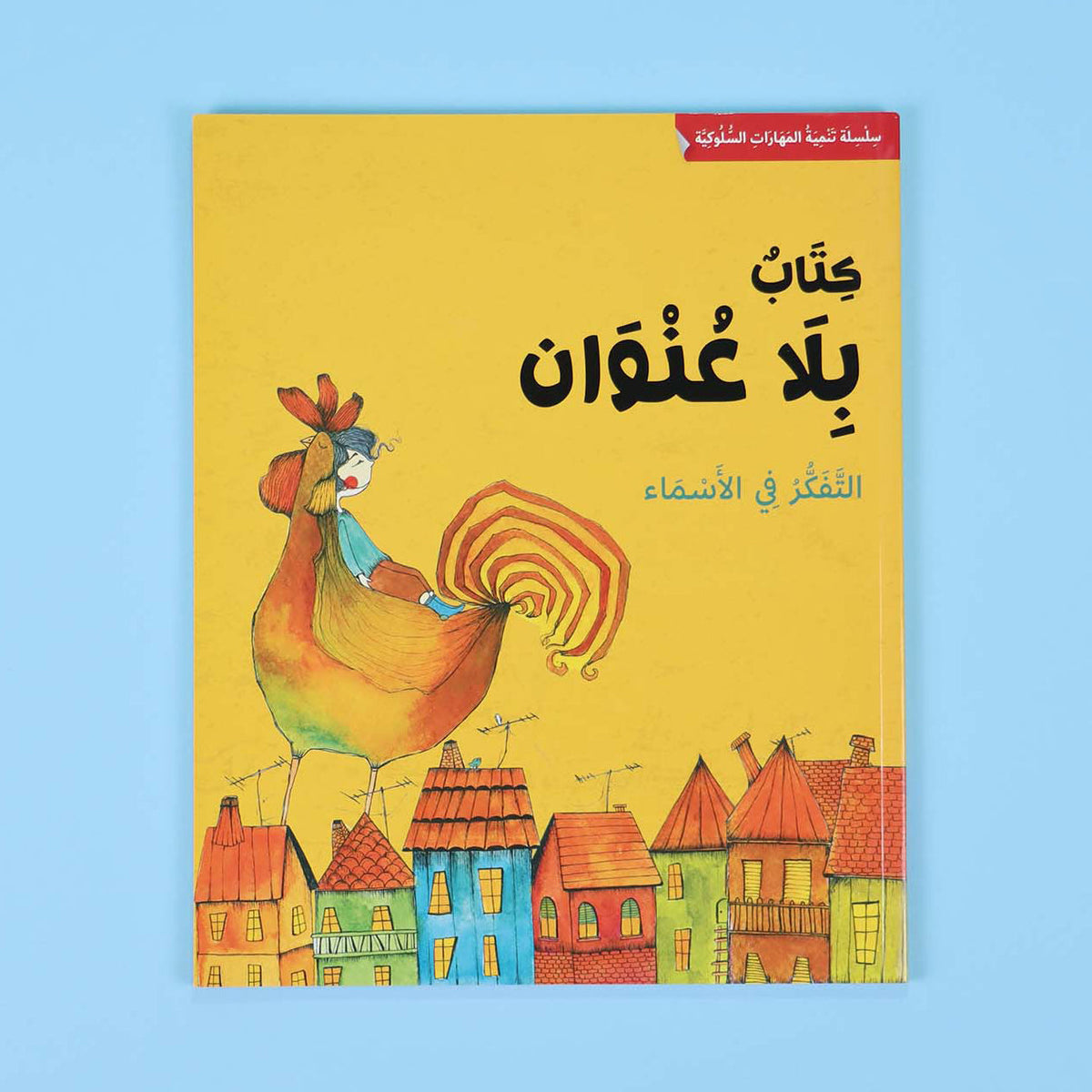
A picture book can open a calm-time conversation about choices and feelings. Kiddil's Behavioral Skills Development book is labelled for ages three to six and is designed for guided discussion. Read one situation together and ask “What could the character do next?” It is a conversation aid, not a treatment for tantrums. For more low-pressure play ideas, see activities at home by age.
When to ask for more help
If you are seriously concerned, tantrums or aggression put anyone in danger, or you are finding it hard to keep your child safe, talk to your child's pediatrician or another qualified child-health professional. They can consider your child's age, language, development, sleep and family situation. This guide cannot diagnose the cause of a particular child's behavior (NHS; AAP).
Questions parents ask
Are tantrums normal at age two?
Yes, they are common in toddlers and particularly from ages one to three. They often become less frequent as children gain language and coping skills. A clinician can help if you are worried about your child's pattern or safety (NHS; AAP).
What should I do if my child hits during a tantrum?
Stop the hitting, move people or objects to safety and say calmly, “I won't let you hit.” Do not hit back. Talk about other ways to express anger once the child is calm (NHS; AAP).
Should I give my child what they asked for to stop the crying?
If the boundary was needed, keep it. Changing “no” to “yes” solely to end a tantrum can make future boundaries harder. You can still comfort your child and offer a safe alternative (NHS).
How can I help prevent a tantrum in a shop?
Keep the trip short when possible, go after rest and food, explain the plan simply, and give your child a small job. Hunger, tiredness and long trips can make coping harder (NHS; AAP).
When should I talk to a pediatrician?
Ask if the behavior seriously worries you, safety is difficult to maintain or you need help understanding your child's development. A clinician can assess your child's individual circumstances (NHS; AAP).
Read next: helping an older child adjust to a new baby.
About Kiddil: an online shop for toys and children's books in Egypt, for ages 0 to 12. Delivery to every governorate (EGP 50, free from EGP 1,500), cash on delivery and 14-day returns. All toys · Children's books