


When a Child Gets Upset About Losing a Game
Published · Kiddil
How we research toy and book guides
When a child is upset about losing, respond to the feeling before explaining a strategy. You can acknowledge disappointment while keeping a firm boundary around throwing pieces or hurting someone. Plan the next round when everyone is calm: clear rules, a short endpoint and a fair way to ask for a break. This is support for an ordinary family situation, not a diagnosis.
Before you begin
Talk before opening the box. Agree what winning means, what help is allowed and how anyone can pause. Pick a game suitable for the child’s age and experience; a long unfamiliar contest is a difficult place to start practising disappointment.
Make the rules predictable
Explain the end condition before play and use the same rule for adults. If this is a practice round with help, say so. Do not change the winning condition at the last second to protect a child from every loss; that can make the result feel arbitrary. Keep the focus on a clear, shared agreement.
Name the feeling and protect the players
Try “You wanted to win, and losing feels disappointing.” Keep your voice ordinary. If pieces are thrown, move them away and pause the game. You do not have to make the feeling disappear before holding the boundary. Avoid teasing, public labels or a lecture in front of siblings while the child is overwhelmed.
Practise a small return to play
Later, offer one short round or a cooperative version with a common target. Adults can model a plain response to their own loss: “I’m disappointed; I’ll try another plan.” Notice specific fair actions such as waiting or returning a piece. Do not turn praise into a demand that children always look cheerful about losing.
When the first attempt does not work
If a game repeatedly ends badly, shorten it, simplify the rules or take a break from that format. Persistent distress affecting many parts of a child’s life deserves a conversation with an appropriate professional, rather than relying on a toy as treatment. For an isolated game upset, begin with a calmer setup and realistic expectations.
Try the idea with things at home
Take turns drawing one addition to a shared picture, with no winner at all. Alternatively, agree a simple guessing game in which everybody gets the same number of turns. The useful practice is following a clear agreement, not purchasing a special “patience” toy.
Examples from Kiddil’s toy range
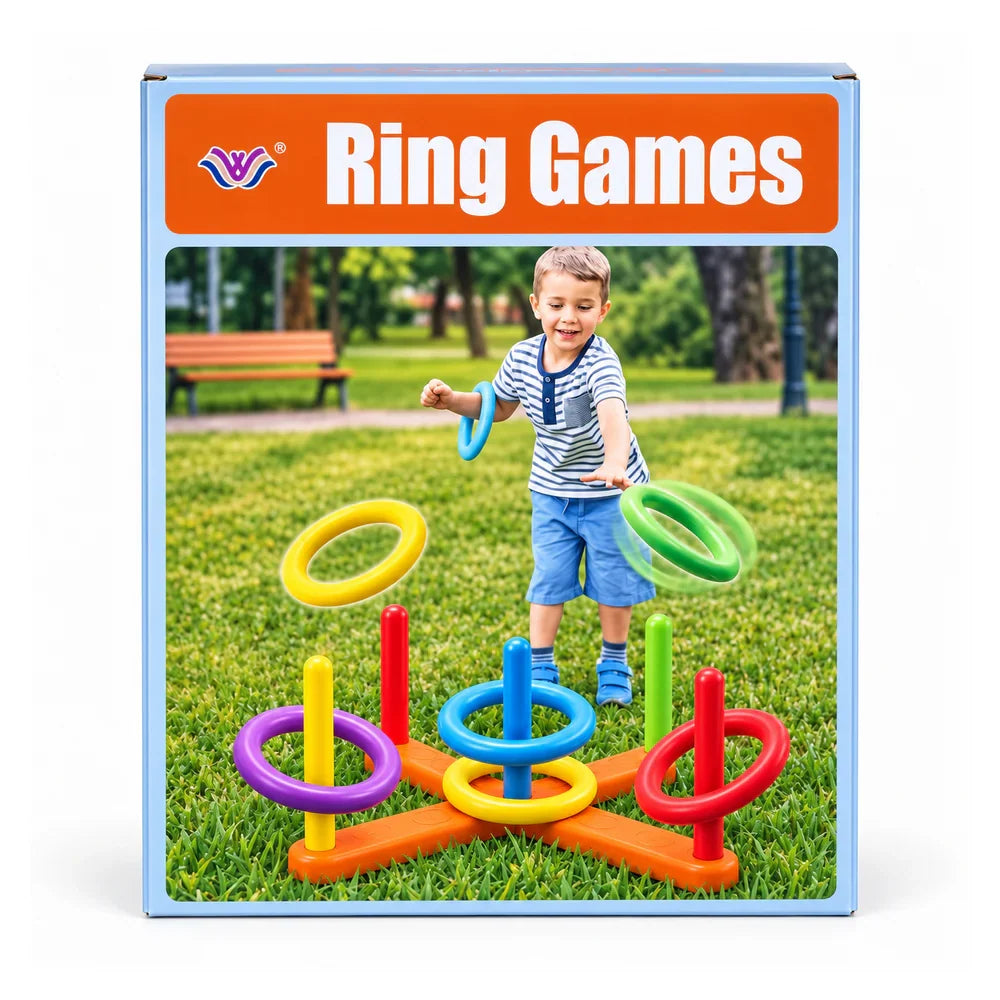
Both examples allow visible, short turns. For Ring Toss, agree whether the round uses individual scores or a shared target. Any cooperative adaptation is your household variation; explain it before starting rather than changing a competitive round halfway.
- Ring Toss Set — ages 3–6.
- Colour Sequence Card Game — ages 3–8.
Check the package age and safety instructions before use.
Questions about this activity
Should I let my child win every time?
You can choose a supportive practice format, but avoid secretly changing every result. A clear cooperative round may be more useful than a staged victory.
Can we stop in the middle?
Yes for safety or distress. Explain the pause plainly and decide later whether to resume, reset or choose something else.
Choose your next step
- Games for Siblings of Different Ages: Make Turns Fair
- Family Game Night for Children Who Do Not Read Yet
- The main guide for this topic
- Browse available toys
- All toy and game parent guides
Related expert background: Source and background. These activities are Kiddil editorial suggestions, not a developmental test or an outcome guarantee.
Toys in this guide
Check each product's age, contents and instructions before choosing. Prices and availability come from the store.


About Kiddil: an online shop for toys and children's books in Egypt, for ages 0 to 12. Delivery to every governorate (EGP 79, free from EGP 1,500), cash on delivery and 14-day returns. All toys · Children's books