


Games for Siblings of Different Ages: Make Turns Fair
Published · Kiddil
How we research toy and book guides
A fair sibling game does not have to give everyone the same task. It needs a shared rule that both children understand and a useful role for each. Start by choosing something safe for the youngest player, then vary the support, aiming distance or complexity. Keep the goal visible: spending time together, rather than proving which sibling is more capable.
Before you begin
Begin with two siblings and an adult for the first round. State the adapted rules before play, and check the package age for every participant. Do not include small components in a younger child’s version just to keep the sets identical.
Adjust the starting line, not the child’s dignity
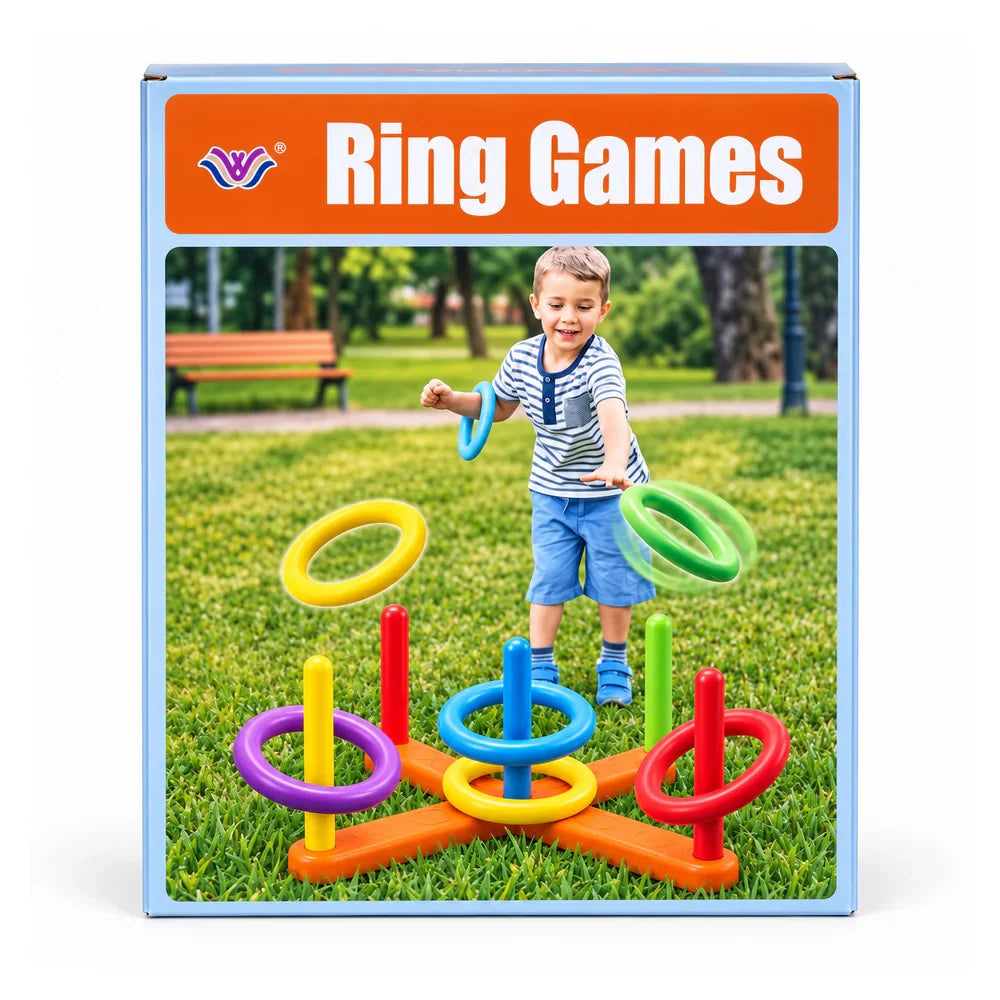
In an aiming game, agree different distances from the target. Let each child choose between two reasonable lines. Keep the same number of turns and the same retrieval rule. Avoid comments such as “You need the baby line.” Present the adjustment as part of how this household version works for different players.
Share a goal with different decisions
Try making one picture or town together. One child chooses a small part; the other plans a connection. Swap jobs in the next round rather than permanently making the older sibling the instructor. The younger child should be allowed to reject a suggestion or ask for help without losing their turn.
Make a clear end and a way to return
Agree to finish one short round, not an unspecified evening of play. If somebody stops, store the shared work without blaming them for ruining the game. Next time, ask what helped and what felt unfair. Change one rule together before starting; avoid rewriting the score every time one child gets ahead.
When the first attempt does not work
If the gap in skills keeps causing conflict, choose a cooperative activity or separate tasks at the same table. It is fine for siblings to enjoy different games. An adult should intervene when grabbing, intimidation or unsafe throwing begins; another round can wait until everyone feels ready.
Try the idea with things at home
Draw one shared map and let each child add a place they choose. Use pointing, drawing or spoken directions so reading is not a compulsory gate. Adult-prepared paper materials make it easy to adjust the level without buying two versions of a toy.
Examples from Kiddil’s toy range
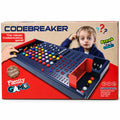
Ring Toss allows a visible distance adjustment. The Colour Sequence game offers a different seated turn-taking format; read its own rules first. These examples have different age ranges, so choose for the actual siblings rather than assuming one set fits everyone.
- Ring Toss Set — ages 3–6.
- Colour Sequence Card Game — ages 3–8.
Check the package age and safety instructions before use.
Questions about this activity
Should the older child always help?
No. Offer that role occasionally and with agreement. They also deserve turns in which they make their own decisions and enjoy a challenge.
Is a handicap unfair?
It can be fair when everyone understands it before the round. Discuss the rule openly rather than changing results after play.
Choose your next step
- Family Game Night for Children Who Do Not Read Yet
- When a Child Gets Upset About Losing a Game
- The main guide for this topic
- Browse available toys
- All toy and game parent guides
Related expert background: Source and background. These activities are Kiddil editorial suggestions, not a developmental test or an outcome guarantee.
Toys in this guide
Check each product's age, contents and instructions before choosing. Prices and availability come from the store.


About Kiddil: an online shop for toys and children's books in Egypt, for ages 0 to 12. Delivery to every governorate (EGP 79, free from EGP 1,500), cash on delivery and 14-day returns. All toys · Children's books