


Choose a Logic Puzzle at the Right Difficulty
Published · Kiddil
How we research toy and book guides
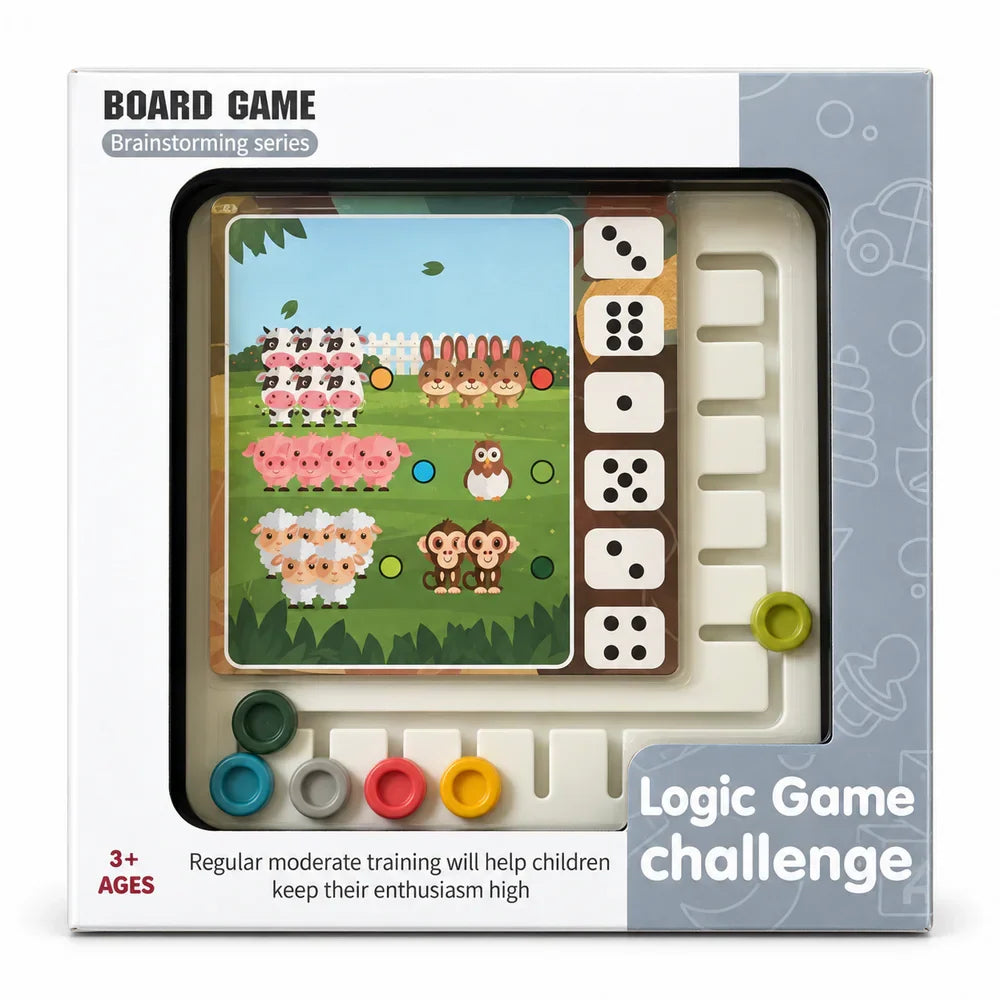
The right logic-puzzle difficulty leaves the child something to work out while letting them understand what a legal move is. The package age is the safety starting point; it does not promise that every challenge inside will be easy for every child of that age. Look separately at handling the pieces, understanding the rule and planning a sequence.
Before you begin
Choose two or three starting cards from an age-appropriate set. Keep the instructions nearby and try one easy example together. Do not begin with a timer, score comparison or a claim about what a child “should” solve.
Check the rule before the result
Ask the child to show one allowed move and one move that does not belong. For example, sliding a piece can be allowed while lifting it out is not. If this distinction is unclear, explore the mechanism first. Difficulty ratings mean little when the player has not yet understood what the game lets them do.
Watch the first decisions
Notice whether the child looks, chooses and checks, or moves pieces without a goal. A mistake followed by a different idea is useful information. Repeating the same blocked move may suggest they need a smaller task or a visual cue. Judge the process across a few comfortable attempts, not one tired afternoon.
Change one source of difficulty
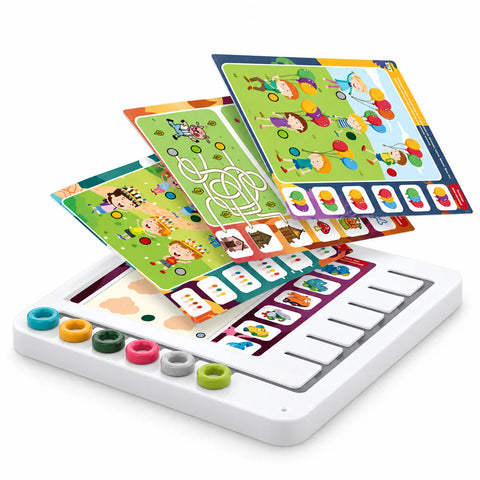
Make the reference visible, offer fewer pieces or choose a card with more starting positions supplied. For a harder round, remove one support only. Keep notes in practical language: “needed the picture” is more useful than “bad at puzzles.” When the child can explain or demonstrate their method, invite another challenge if they want one.
When the first attempt does not work
If the easiest card still overwhelms, try a different type of game rather than persisting until someone cries. A construction task may be inviting where a single-solution puzzle is not. If the set is instantly familiar, let the child invent a variation while keeping all safety and component rules intact.
Try the idea with things at home
Draw a small outline and cut large paper shapes for an adult-supervised filling task. First show where two shapes go, then leave the full outline empty. This lets you compare “more clues” and “fewer clues” without buying another set.
Examples from Kiddil’s toy range
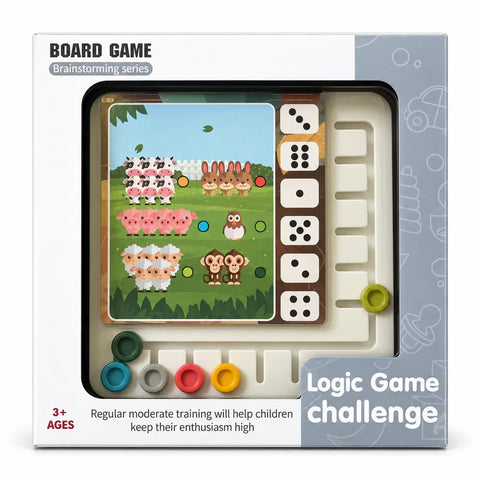
The Pattern Logic Board is a younger matching example; Animal Ark adds packing rules for an older age range. They illustrate why both the package age and the exact puzzle demands matter. Do not use the harder set below its own minimum age.
- Pattern Logic Board — ages 3–5.
- Animal Ark Packing Puzzle — ages 5–8.
Check the package age and safety instructions before use.
Questions about this activity
Should I always start at card one?
Follow the instructions, then use an accessible example to learn the rule. Previous experience can differ, but an advanced starting card is not a badge of ability.
Can a child repeat solved puzzles?
Yes. Repetition can be enjoyable and a chance to explain a method. Newness is not the only reason to play.
Choose your next step
- Cooperative Problem-Solving Games for Kids
- How to Help a Child Stuck on a Puzzle
- The main guide for this topic
- Browse available toys
- All toy and game parent guides
Related expert background: Source and background. These activities are Kiddil editorial suggestions, not a developmental test or an outcome guarantee.
Toys in this guide
Check each product's age, contents and instructions before choosing. Prices and availability come from the store.


About Kiddil: an online shop for toys and children's books in Egypt, for ages 0 to 12. Delivery to every governorate (EGP 79, free from EGP 1,500), cash on delivery and 14-day returns. All toys · Children's books