


Jigsaw or Shape Puzzle: Which Play Action Fits?
Published · Kiddil
How we research toy and book guides
A jigsaw asks a child to rebuild a picture from connecting pieces. An inset shape puzzle asks them to match a piece to a space. A packing puzzle asks how several pieces can share a boundary. These activities overlap, but the first move and the feedback are different. Choose by the kind of problem your child wants to explore today, while respecting each package’s age guidance.
Before you begin
Lay out one example of the two types you are comparing, or use clear product photographs. Note whether the child prefers recognisable pictures, matching individual shapes or experimenting with several possible layouts.
Choose a jigsaw for building a whole picture
A jigsaw provides picture clues across adjacent pieces as well as physical joins. Some children start with a favourite object instead of the edge, and that is fine. A recognisable landmark or animal gives a reason to keep looking. Keep the full picture nearby and avoid choosing only by the largest piece count in your budget.
Choose inset matching for a clear local answer
A matching board can make the question visible: which piece fits this opening? It may be a useful starting format when a large pile of jigsaw pieces feels overwhelming. Still check how many similar shapes the set includes and how precisely they must be turned. “Shape puzzle” does not automatically mean simple or toddler-safe.
Choose packing for comparing arrangements
Packing tasks often require moving a piece that seemed correct so another can fit. Explain that rebuilding is part of the game. Some sets have one solution, others several; check the instructions before declaring a different arrangement wrong. Start with a smaller outline or more given positions if the empty frame feels too open.
When the first attempt does not work
If a choice does not appeal, change the format rather than insisting the child become a “puzzle person”. You might alternate one picture section with open building. If matching is easy but handling is awkward, offer a larger suitable format; difficulty moving pieces is different from difficulty understanding the idea.
Try the idea with things at home
Draw the same animal on two sheets: cut one into large jigsaw sections and cut the other into a few geometric shapes. An adult prepares the pieces. Try both and ask which was more inviting, without scoring the child.
Examples from Kiddil’s toy range
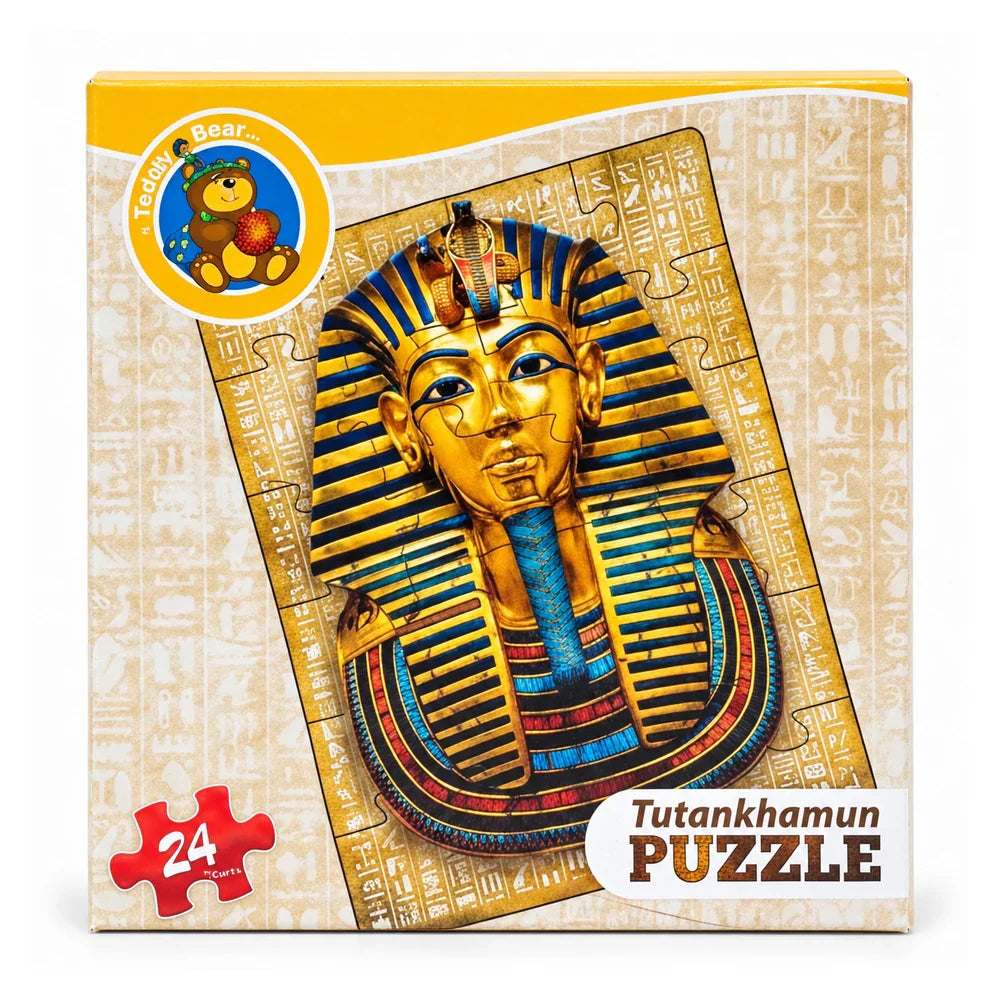
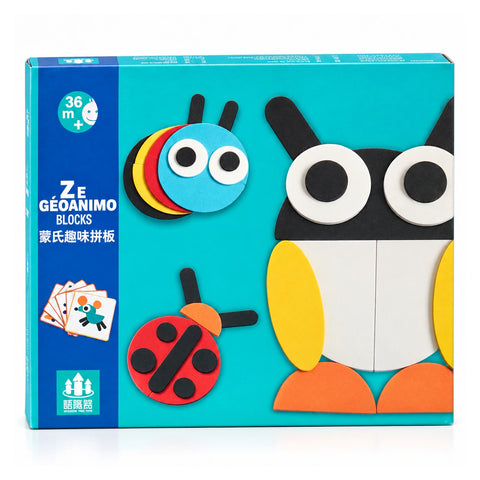
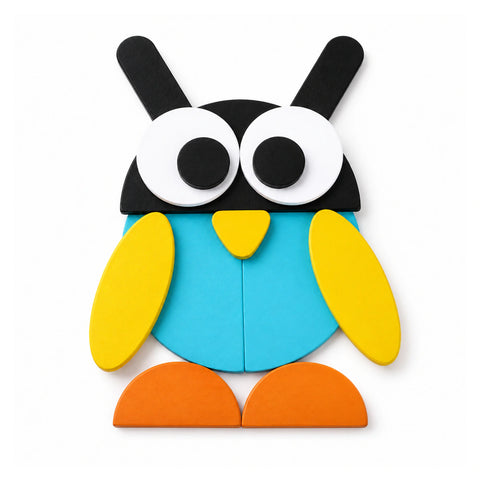
The Tutankhamun puzzle is a connecting-picture example; Wooden Shape Animals uses geometry to build creatures. Compare their different actions, rather than expecting the same instructions or difficulty because both products are called puzzles.
- Tutankhamun Mask Puzzle — ages 3–5.
- Wooden Shape Animals Puzzle — ages 3–6.
Check the package age and safety instructions before use.
Questions about this activity
Which is best for learning?
There is no universal winner. Choose a safe, interesting task the child can explore, then vary the support and conversation around it.
Do I have to start with edges?
No. Edges are one strategy. An obvious object or colour section may be a more inviting first target for a particular picture.
Choose your next step
- How Many Puzzle Pieces Should You Choose for a Child?
- Store Kids’ Puzzles and Keep the Pieces Together
- The main guide for this topic
- Browse available toys
- All toy and game parent guides
Related expert background: Source and background. These activities are Kiddil editorial suggestions, not a developmental test or an outcome guarantee.
Toys in this guide
Check each product's age, contents and instructions before choosing. Prices and availability come from the store.

About Kiddil: an online shop for toys and children's books in Egypt, for ages 0 to 12. Delivery to every governorate (EGP 79, free from EGP 1,500), cash on delivery and 14-day returns. All toys · Children's books