


Store Kids’ Puzzles and Keep the Pieces Together
Published · Kiddil
How we research toy and book guides
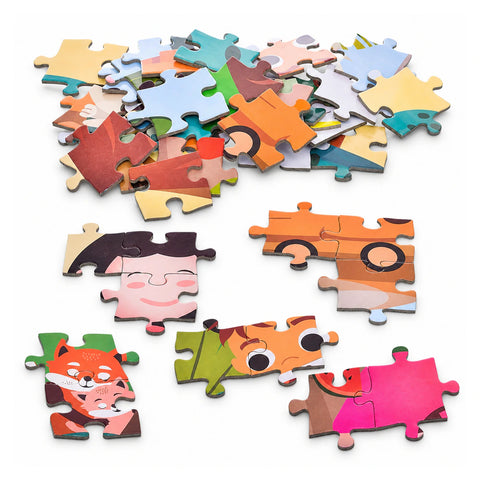
Good puzzle storage keeps a set complete and makes the next start easy. The most useful system separates different sets, preserves the model picture and gives unfinished work somewhere to wait. It does not require a display-worthy cupboard. A box that opens easily and has an obvious home can work better than beautiful storage that children cannot manage.
Before you begin
Choose a time when nobody is trying to finish a puzzle urgently. Put one set on a clear surface, check its reference picture and look through the immediate play area. Keep small pieces away from younger children during sorting.
Give each set its own identity
Keep the original box when it is sound and usable. If you transfer pieces, attach the model picture and write a recognisable name on the container. A simple colour mark on storage labels can distinguish two similar sets. Avoid marking puzzle faces or applying anything to pieces unless the manufacturer’s care instructions allow it.
Make clearing up part of the round
Before opening another set, check the board, the floor nearby and the space under the table. Invite the child to move pieces in small groups rather than dumping them between rooms. An adult can handle exact counting when necessary; the child’s job might simply be matching the box to the picture and returning it to the shelf.
Protect unfinished work without claiming a room
Use a stable tray or suitable board large enough for that puzzle, placed safely where nobody needs to carry it overhead or step around it. Keep loose pieces in a separate container beside the model. Agree with the child whether the arrangement stays or a photograph is enough before taking it apart.
When the first attempt does not work
If pieces are missing, check neighbouring boxes and the last place the puzzle was used. Keep an incomplete set clearly labelled rather than passing it on as complete. Avoid promising replacement pieces unless the seller or maker has confirmed that service. If cardboard is damaged or a wooden piece splinters, stop using the affected item and check the maker’s advice.
Try the idea with things at home
Use an existing sturdy container with a clear label and a printed or hand-drawn reference. Keep protective bags and packaging inaccessible to young children. Start with one frequently used puzzle and see whether everyone can return it correctly before buying storage for the whole collection.
Examples from Kiddil’s toy range
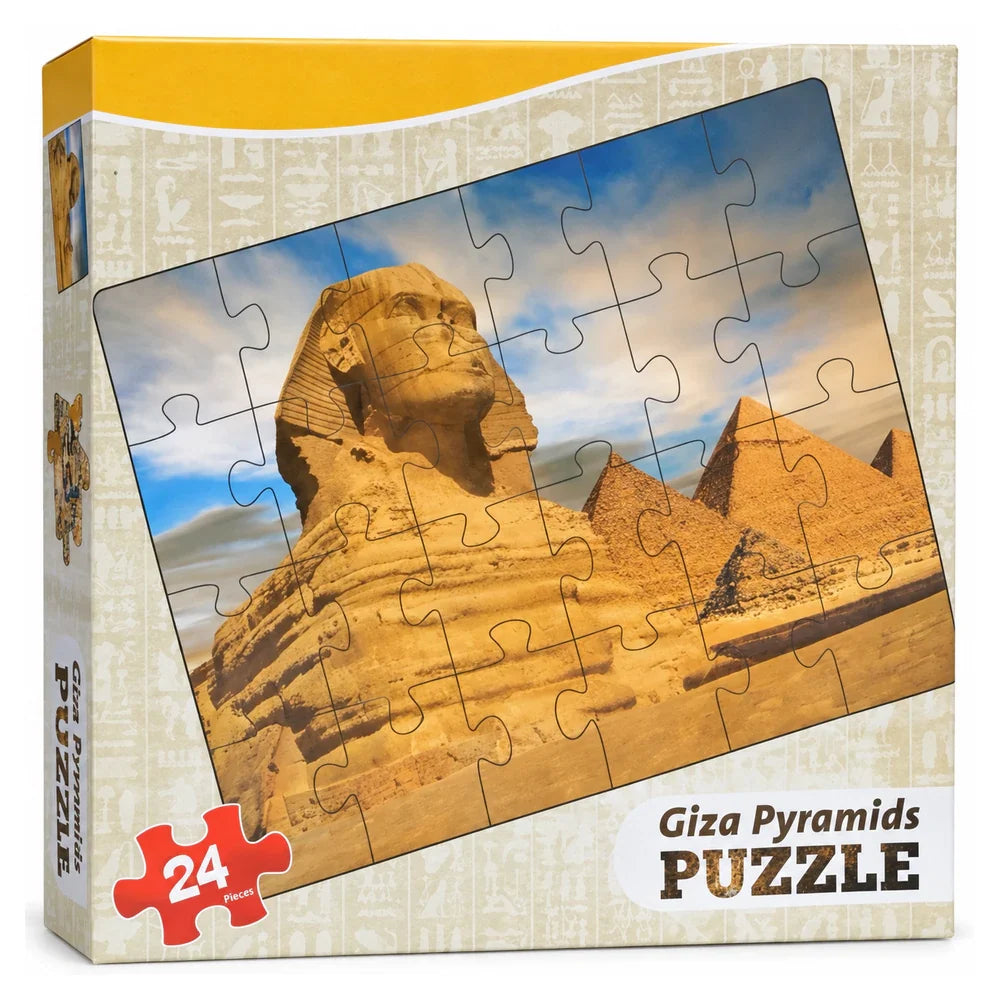
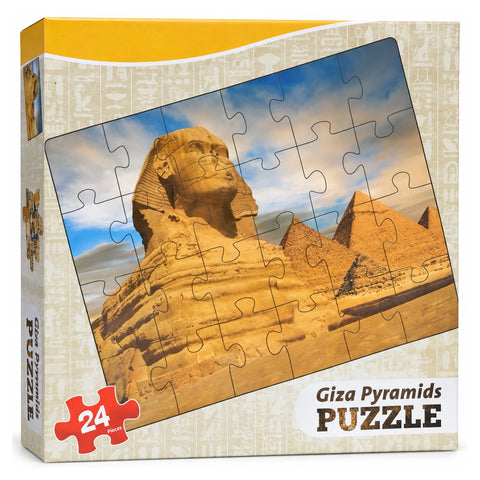
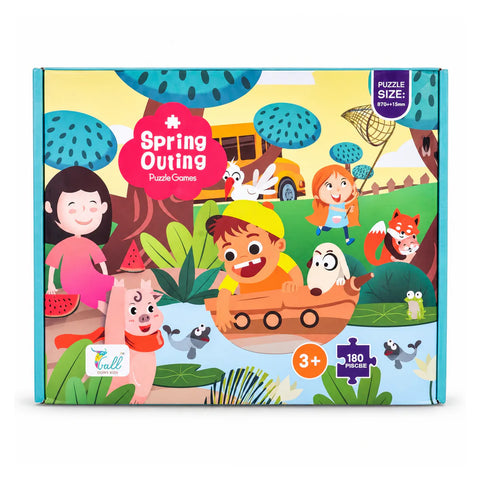
A small 24-piece set and a larger 180-piece set need different amounts of surface and sorting space. The same separate-box routine works for both. These examples do not imply that Kiddil supplies replacement pieces or a storage accessory with the puzzle.
- Giza Pyramids Puzzle — ages 3–5.
- Spring Outing Jigsaw — ages 3–5.
Check the package age and safety instructions before use.
Questions about this activity
Can I mix two puzzles to make it harder?
It is usually clearer to change the task within one complete set. Mixing increases the chance of lost pieces and an impossible-looking picture.
Should the child count every piece?
Only if that is manageable and enjoyable. An adult can check completeness; a simple reset should not become a lengthy counting test.
Choose your next step
- How Many Puzzle Pieces Should You Choose for a Child?
- Jigsaw or Shape Puzzle: Which Play Action Fits?
- The main guide for this topic
- Browse available toys
- All toy and game parent guides
Related expert background: Source and background. These activities are Kiddil editorial suggestions, not a developmental test or an outcome guarantee.
Toys in this guide
Check each product's age, contents and instructions before choosing. Prices and availability come from the store.
About Kiddil: an online shop for toys and children's books in Egypt, for ages 0 to 12. Delivery to every governorate (EGP 79, free from EGP 1,500), cash on delivery and 14-day returns. All toys · Children's books