


A Montessori-Inspired Play Shelf at Home
Published · Kiddil
How we research toy and book guides
A Montessori-inspired play shelf at home can make activities easier to see, choose and put away. It is not created by buying a particular colour of wooden toy. Start with the child’s interests, safe access and a few complete activities. AMI describes a prepared environment as more than its materials; the home ideas here are practical adaptations, not a certified Montessori classroom plan.
Before you begin
For an adult preparing activities for children around ages 3–6. Choose stable, appropriately secured storage and keep unsuitable components inaccessible to younger children. You can use an existing low storage space; expensive new furniture is not a requirement.
Display an activity, not an overflowing collection
Keep a board and its necessary pieces together, with a clear place to work. If a box contains many levels, present a manageable starting option while storing the rest safely. This is a practical organisation choice, not a rule that every child must see an exact number of trays. Make the first action easy to understand.
Offer choice after a short demonstration
Show one activity slowly, using only the words needed to explain its action. Then step back enough for the child to choose and try. If they want another safe activity, allow that choice. Avoid turning the shelf into a list of adult assignments that must all be completed before free play begins.
Make returning materials possible
Give each set a recognisable home and demonstrate returning it when the activity ends. Keep carrying demands manageable; an adult can move a heavy tray. Observe whether cleanup fails because the container is awkward or the reference picture is missing. Change the setup before interpreting every abandoned set as unwillingness to cooperate.
When the first attempt does not work
If the shelf is ignored, ask whether the child can recognise how to begin and whether the activity still interests them. Return a favourite rather than replacing every choice. A home shelf does not need to resemble a social-media photograph to support an enjoyable play routine.
Try the idea with things at home
Use a complete drawing activity, a large homemade shape match and an existing building set. Store them where they can be reached and returned safely. Trial the arrangement before buying any new tray, shelf or “Montessori” bundle.
Examples from Kiddil’s toy range
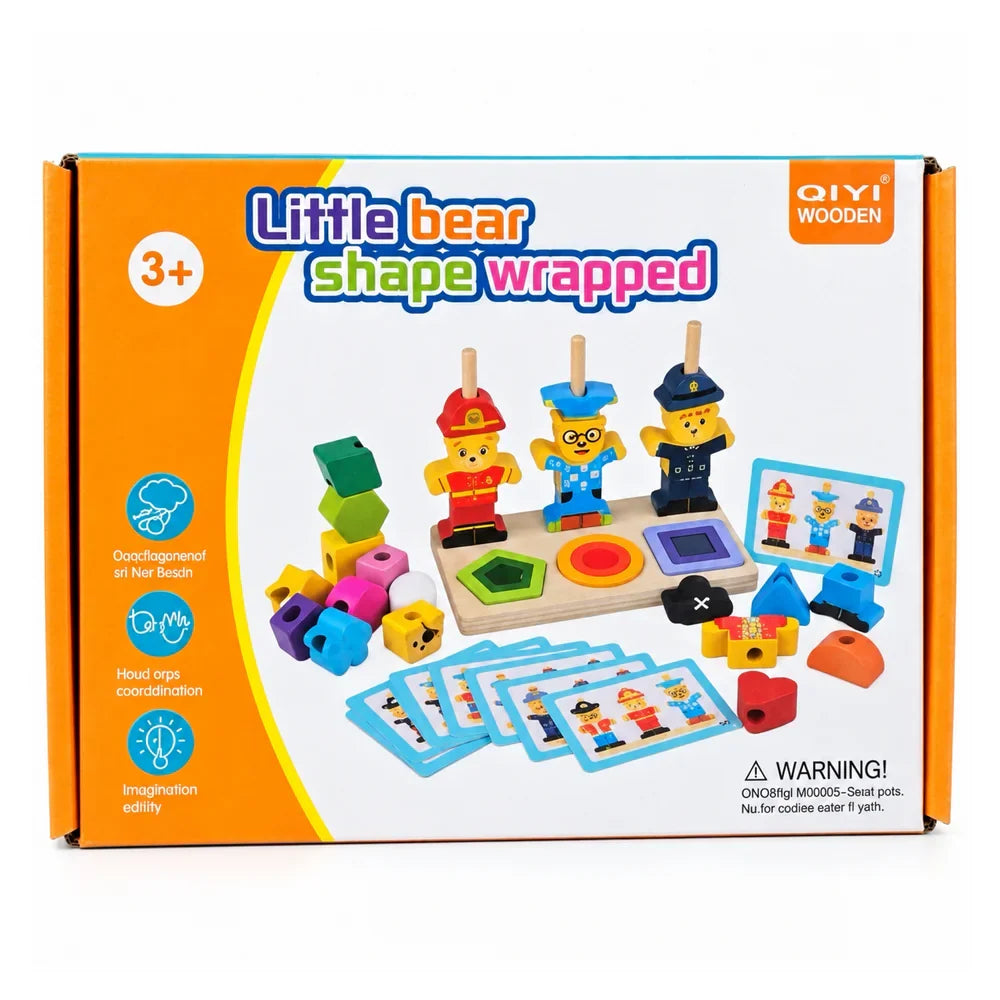
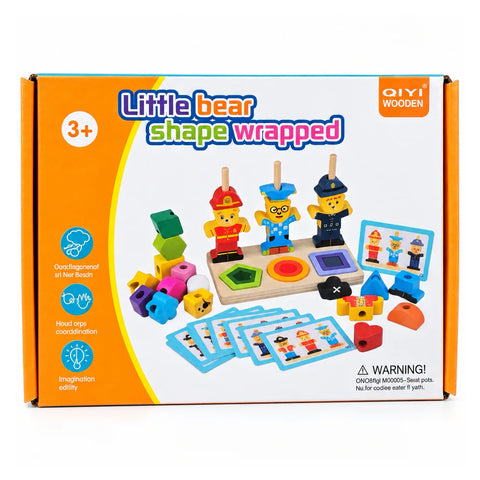
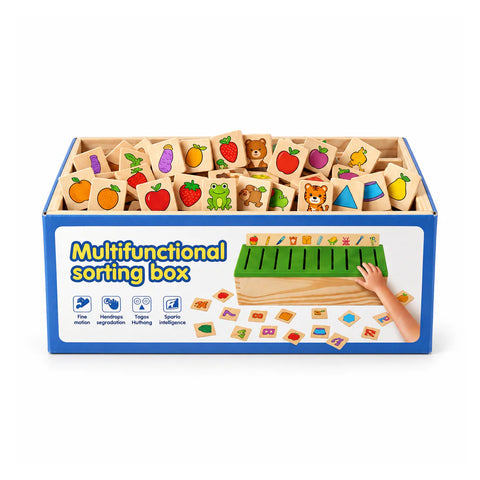
These are examples of contained, card-led activities in Kiddil’s assortment. The store’s Montessori-style category does not establish AMI approval, classroom authenticity or a guaranteed developmental result for either product. Choose each set using its actual instructions and age guidance.
- Wooden Bear Shape Stacker — ages 3–6.
- Wooden Sorting Box — ages 3–6.
Check the package age and safety instructions before use.
Questions about this activity
How many activities belong on the shelf?
Use a manageable selection for this child and space. There is no universal tray count that makes a home Montessori.
Must every item be wood?
No. An appearance alone does not define an educational approach. Consider the activity, safe use and how the child can choose and return it.
Choose your next step
- Self-Correcting Toys: What Should Parents Check?
- Practical-Life Play at Home for Ages 3–6
- The main guide for this topic
- Browse available toys
- All toy and game parent guides
Related expert background: Source and background. These activities are Kiddil editorial suggestions, not a developmental test or an outcome guarantee.
Toys in this guide
Check each product's age, contents and instructions before choosing. Prices and availability come from the store.

About Kiddil: an online shop for toys and children's books in Egypt, for ages 0 to 12. Delivery to every governorate (EGP 79, free from EGP 1,500), cash on delivery and 14-day returns. All toys · Children's books