


Pretend Shop Play with Wooden Toys
Published · Kiddil
How we research toy and book guides
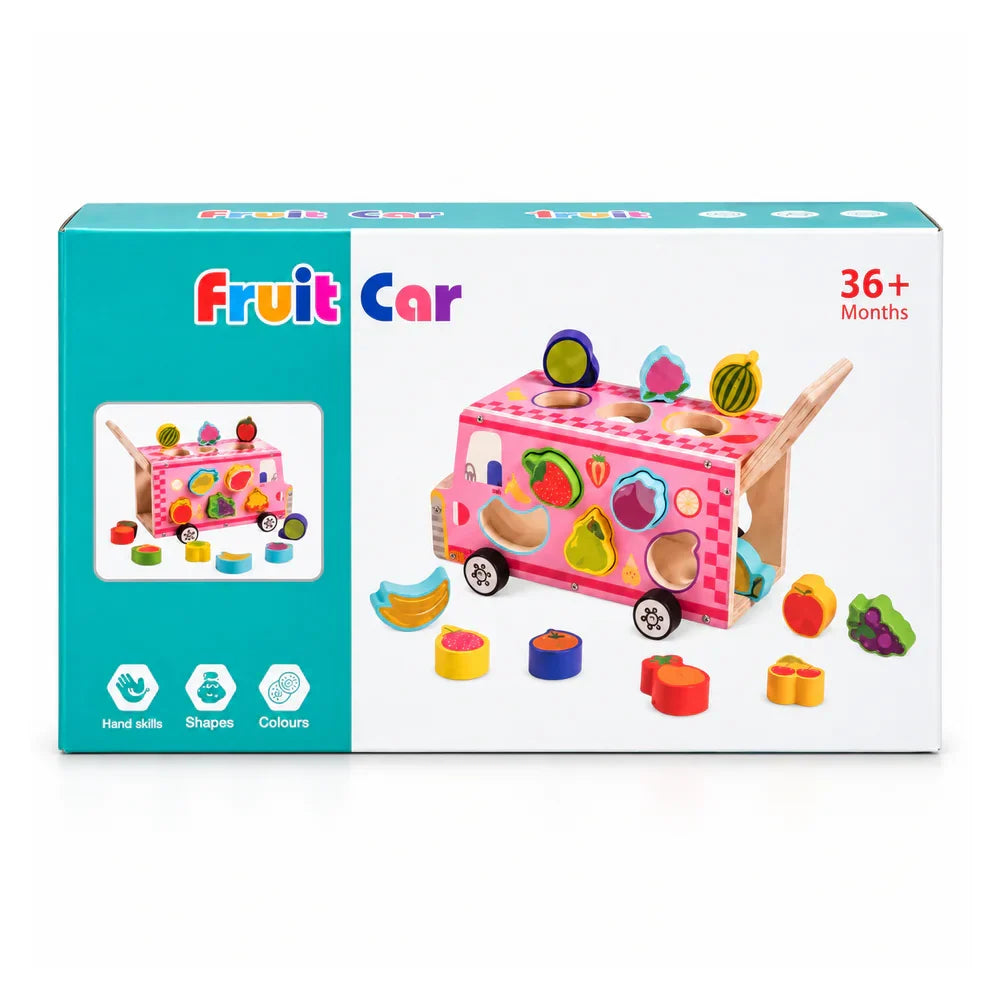
Pretend shop play starts with a request and a choice: “Which fruit would you like?” You do not need a miniature supermarket, money skills or a script. A few age-suitable play objects and two roles are enough. Let the child decide what the shop sells and how the story develops, while the adult keeps the materials safe and the requests understandable.
Before you begin
Suggested for ages 3–6 using toys whose own age labels fit. Set out a small clear shop area and a place for the customer to wait. Use pretend paper tokens only if suitable; real coins and food are unnecessary.
Start with one clear request
The customer asks for one item or category, and the shopkeeper chooses it. If the child wants to sell an imaginary item, join the story rather than correcting it back to a catalogue. Use short requests first. Add a second item only when the first exchange is comfortable, so the role play does not become a memory test.
Make sorting serve the story
Invite the shopkeeper to organise items in a way that makes sense to them: one shelf per colour, fruit together or a special collection for a pretend picnic. Ask how a customer will find something. A child’s unusual category can be part of the story; discuss it instead of automatically replacing it with the adult’s system.
Switch customer and shopkeeper
After a few exchanges, swap roles. The adult can make a polite request, explain a choice or ask for an alternative when something is “sold out”. Keep pretend scarcity inside the story, not as pressure to buy a real product. Let the child change the shop into a café, delivery station or fruit market if they want.
When the first attempt does not work
If you find yourself asking repeated quiz questions, return to being a customer. If the child wants to arrange stock silently, allow that version too. Avoid insisting on accurate prices, change or reading labels unless the child actively wants those extra tasks and they are appropriate to the session.
Try the idea with things at home
Draw large pictures of shop items or use safe, empty household boxes checked by an adult. A folded paper sign can identify the shop without requiring the child to write. The activity works with no payment tokens at all.
Examples from Kiddil’s toy range
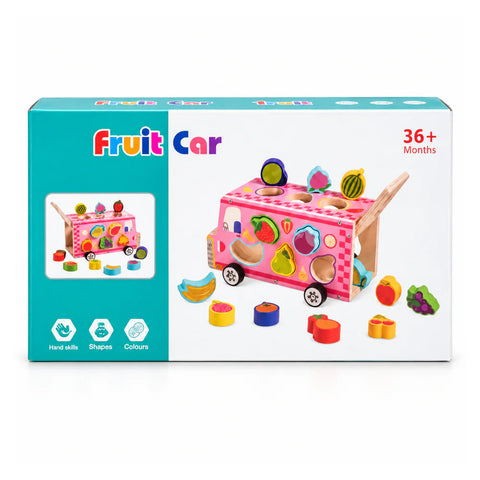
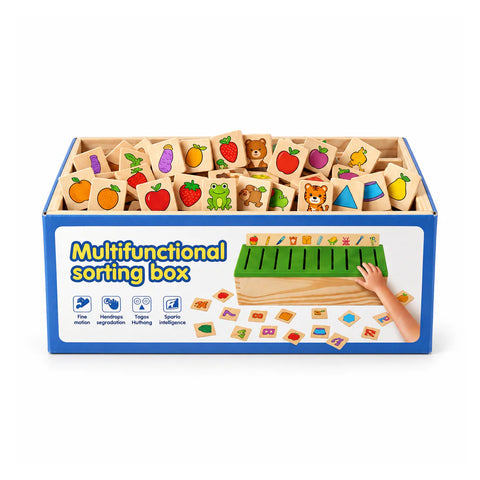
The Fruit Sorter Car can become a delivery vehicle in an optional pretend story. The Sorting Box has fruit and vegetable category strips. Neither is described as a cutting-food set or cash register; do not assume accessories that are not listed.
- Wooden Fruit Sorter Car — ages 3–6.
- Wooden Sorting Box — ages 3–6.
Check the package age and safety instructions before use.
Questions about this activity
Does my child need to count money?
No. A request, a choice and a role change make a complete game. Counting can be an optional later variation.
Should I correct imaginary products?
Usually you can join the pretend idea while keeping real-world safety clear. A cloud shop can still have meaningful requests and choices.
Choose your next step
- Wooden Sorting Toys or Building Blocks?
- Wooden Toy Care and Storage: Check the Actual Set
- The main guide for this topic
- Browse available toys
- All toy and game parent guides
Related expert background: Source and background. These activities are Kiddil editorial suggestions, not a developmental test or an outcome guarantee.
Toys in this guide
Check each product's age, contents and instructions before choosing. Prices and availability come from the store.


About Kiddil: an online shop for toys and children's books in Egypt, for ages 0 to 12. Delivery to every governorate (EGP 79, free from EGP 1,500), cash on delivery and 14-day returns. All toys · Children's books