


First Turn-Taking Games for Four-Year-Olds
Published · Kiddil
How we research toy and book guides
For a first turn-taking game at four, make a turn easy to see: place one piece, pass the card or throw one ring. Keep the waiting time short and demonstrate how the turn passes. It is easier to practise one shared rule than to learn a long game while also managing competition. Begin with an adult and one child before adding a larger group.
Before you begin
Choose a familiar age-appropriate toy and agree one action per turn. An adult models the first two exchanges. Put spare components aside so players do not have to guard a large pile while waiting.
Show the beginning and end of a turn
Say “My turn: one piece. Your turn.” Point or gesture as you pass. Avoid adding new explanations during the child’s action. When they finish, wait a moment for them to pass the turn back. A visible card can mark whose turn it is, provided it does not become another object to compete over.
Give waiting a manageable job
The waiting player can watch for the next colour, check the shared picture or simply hold their own hands comfortably. Do not require silence and perfect stillness as extra hidden rules. If a child repeatedly reaches in, reduce the wait or choose an activity where each person has their own materials while turns remain clear.
Add another player after the pattern is familiar
Invite a third player only when the child understands the basic exchange. Show the new order and keep the action small. You can finish after one complete circuit around the group. If a player opts out, say how the order changes instead of leaving the others guessing who should act next.
When the first attempt does not work
If a child grabs a turn, pause the pieces, state the rule calmly and offer the next clear opportunity. Avoid removing them from every round as the default lesson. If the game repeatedly overwhelms them, return to a cooperative one-piece-at-a-time activity and try the competitive version another day.
Try the idea with things at home
Draw a garden together, each adding one flower in turn. Or take turns choosing an animal for the adult to draw. These versions make the turn visible without buying pieces, counting scores or asking a non-reader to read a card.
Examples from Kiddil’s toy range
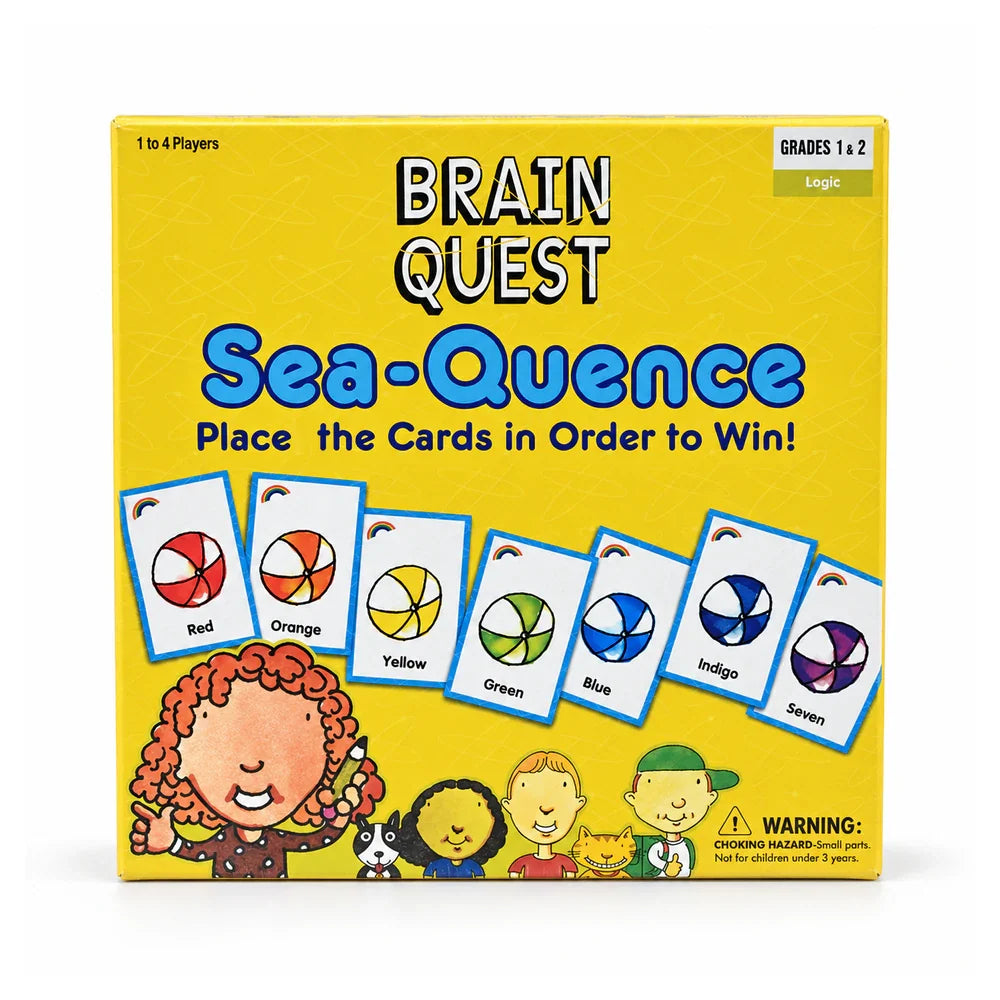
Colour Sequence has a visible card action; Ring Toss has a visible throw-and-retrieve action. Learn each set’s rules, then announce any simplified practice version. Keep throwing areas separate from the waiting players.
- Colour Sequence Card Game — ages 3–8.
- Ring Toss Set — ages 3–6.
Check the package age and safety instructions before use.
Questions about this activity
Does taking turns mean always sharing every toy?
No. You can choose a specific shared activity while respecting personal play and agreed boundaries around special belongings.
Should I use a timer for turns?
Only if it makes the rule clearer for these players. A single visible action can be simpler than watching a countdown.
Choose your next step
- Pattern Games for Four-Year-Olds: Copy and Continue
- Visual Memory Games for Four-Year-Olds at Home
- The main guide for this topic
- Browse available toys
- All toy and game parent guides
Related expert background: Source and background. These activities are Kiddil editorial suggestions, not a developmental test or an outcome guarantee.
Toys in this guide
Check each product's age, contents and instructions before choosing. Prices and availability come from the store.


About Kiddil: an online shop for toys and children's books in Egypt, for ages 0 to 12. Delivery to every governorate (EGP 79, free from EGP 1,500), cash on delivery and 14-day returns. All toys · Children's books