


Visual Memory Games for Four-Year-Olds at Home
Published · Kiddil
How we research toy and book guides
A visual memory game for a four-year-old can be as small as remembering where two familiar pictures were placed. Give a fair chance to look, change one thing and invite a guess. Keep the original arrangement easy to recreate. Success is having an enjoyable exchange, not achieving a fixed number of objects or remembering faster than another child.
Before you begin
Use two or three large, distinct objects that are suitable for the child’s age. Play on a clear surface at a comfortable viewing distance. Avoid valuable objects, food rewards and anything a younger sibling could swallow.
Look together before hiding
Arrange the items and talk about their positions: the tree is beside the house. Let the child indicate when they are ready rather than counting down immediately. Cover the arrangement briefly with a suitable cloth or turn away while an adult makes one change. Keep the pause comfortable, not theatrical or pressuring.
Change one thing and accept different answers
Move one item, remove one item or swap two positions; choose only one kind of change for a round. A child can answer by pointing, describing or restoring the arrangement. If the answer differs, reveal the old layout together rather than treating it as a failed test. Then let them make a change for you.
Add a drawing as a memory helper
Invite the child to make a quick sketch of the layout before covering it. They can use the sketch to rebuild. This version explores using a helpful record, not remembering without support. Compare which clue was useful: the drawing, a spoken description or the item’s position relative to another.
When the first attempt does not work
If the child guesses randomly, reduce the layout and leave one reference item fixed. If they dislike covering, play with both arrangements visible and compare them. Tiredness, unfamiliar objects and too many spoken instructions can all change the experience; one difficult round does not measure a child’s memory capacity.
Try the idea with things at home
Draw a cup and a tree on paper, make a second copy and change their positions. No purchased memory cards are needed. An adult can prepare the paper pieces and keep the activity seated if moving around would distract from the task.
Examples from Kiddil’s toy range
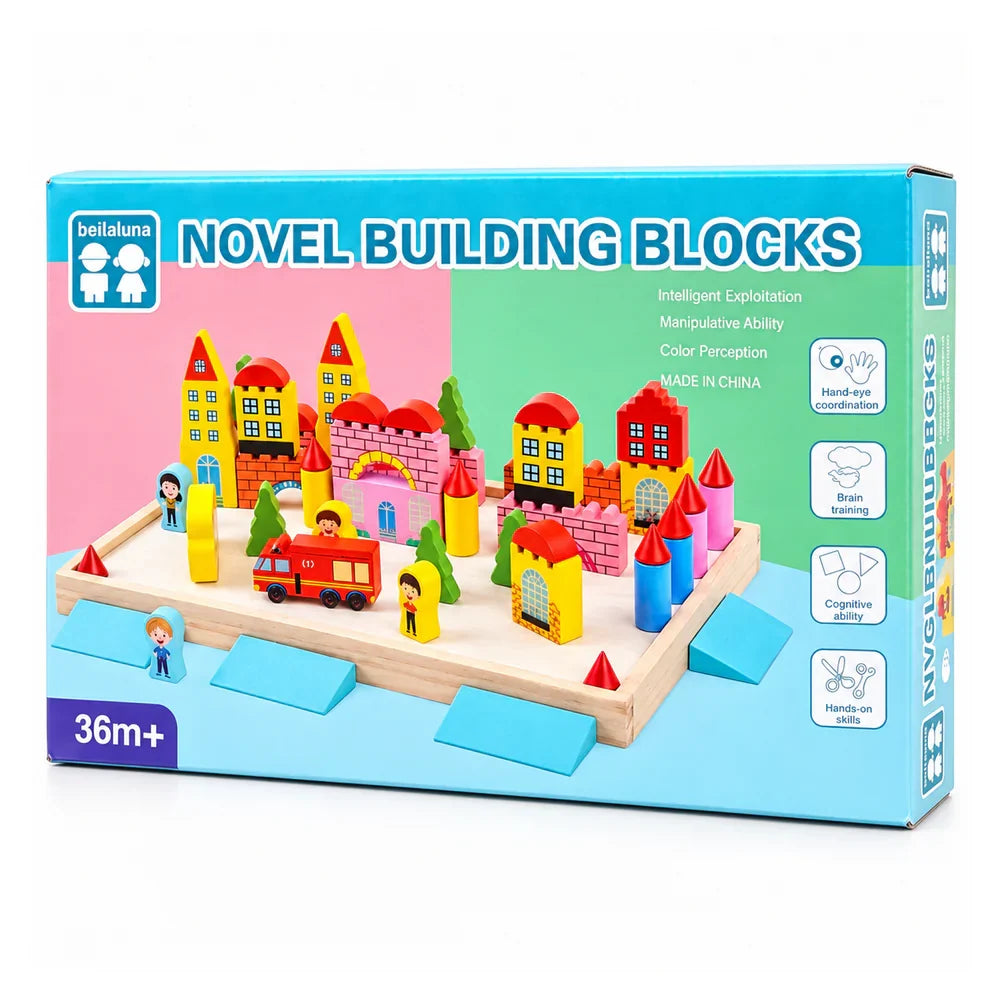
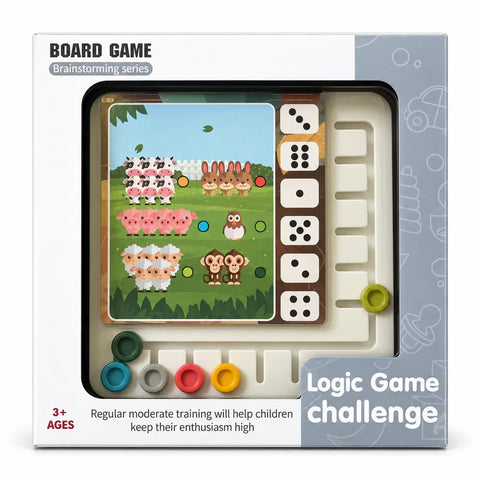
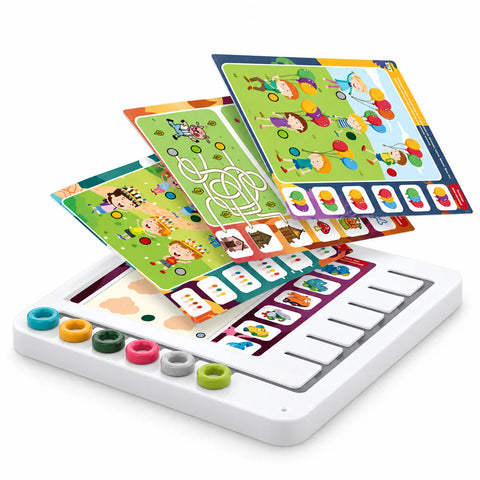
City Blocks provides recognisable scene pieces. A simple Pattern Logic card can stay visible as a checking model. Memory variations are optional activities devised here; neither example promises a measurable memory increase or substitutes for professional assessment.
- Wooden City Blocks — ages 3–6.
- Pattern Logic Board — ages 3–5.
Check the package age and safety instructions before use.
Questions about this activity
How many objects should I use?
Start with a very small comfortable layout and adjust from the child’s response. There is no required object count for every four-year-old.
Is a photograph allowed?
Yes in a version about comparing or rebuilding from a reference. Say what kind of game you are playing rather than calling every helper cheating.
Choose your next step
- Pattern Games for Four-Year-Olds: Copy and Continue
- First Turn-Taking Games for Four-Year-Olds
- The main guide for this topic
- Browse available toys
- All toy and game parent guides
Related expert background: Source and background. These activities are Kiddil editorial suggestions, not a developmental test or an outcome guarantee.
Toys in this guide
Check each product's age, contents and instructions before choosing. Prices and availability come from the store.


About Kiddil: an online shop for toys and children's books in Egypt, for ages 0 to 12. Delivery to every governorate (EGP 79, free from EGP 1,500), cash on delivery and 14-day returns. All toys · Children's books