



Shape Sorter or Ring Stacker for Ages 3–5? Choose by the Play Action
Published · Kiddil
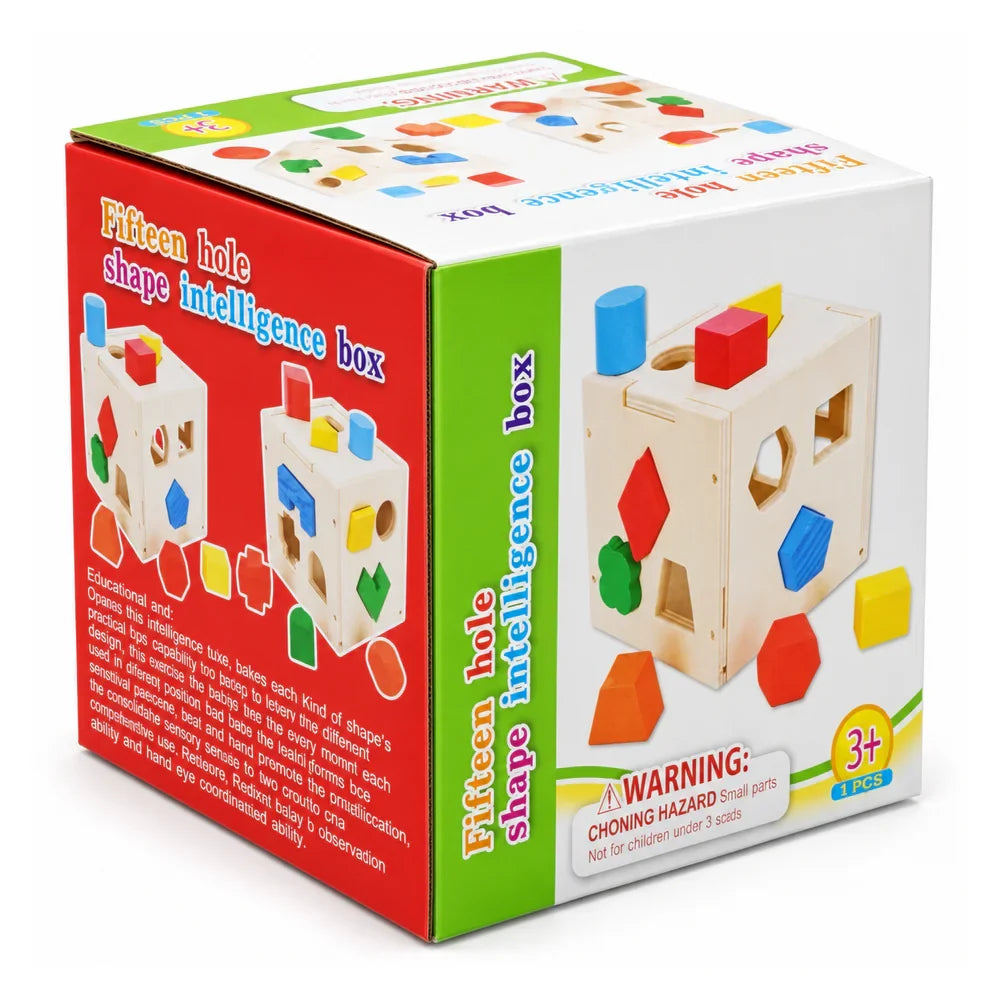
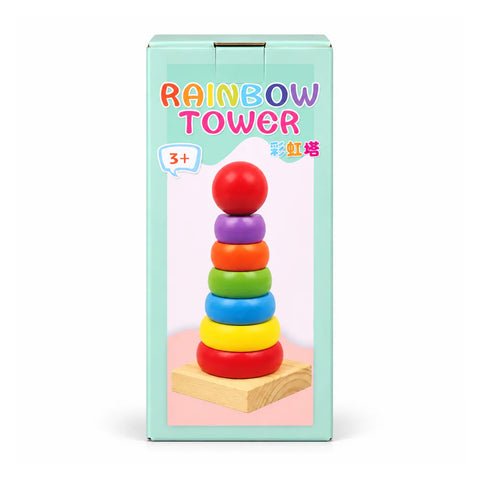
If you are choosing a wooden shape toy, watch what your child enjoys doing with their hands. The 15-hole shape sorter box asks them to examine and turn a piece until it fits an opening. The rainbow ring stacker asks them to place graduated rings on a post, then rearrange them. Both photographed boxes say 3+; Kiddil's live listings narrow the sorter to ages 3–6 and the stacker to ages 3–5. Follow the actual package age for your child, especially when younger siblings share a play space (CPSC toy-safety guidance).
The choice in a minute
| What your child likes | Try first | Why |
|---|---|---|
| Turning a piece, searching for a matching opening | Shape sorter | There are 15 openings to inspect around the box. |
| Putting pieces on, taking them off and changing order | Ring stacker | The post gives a repeated stacking action and the rings vary in size. |
| A short, simple start | Either | Give only a few pieces or rings at first; the adult can adjust the challenge. |
What happens during play?
With the sorter, a child looks at a wooden piece and the cut-out edges of a hole. They may find the right hole but still need to rotate the piece. That “almost fits” moment is a useful reason to talk about corners, curves and turning. NAEYC suggests inviting preschoolers to slide, flip and turn shapes and to use position words while they explore (NAEYC on shapes and space).
With the stacker, the ring goes down over a post. A child can remove all the rings, put them back in any order, then compare a larger ring with a smaller one. If they want a new question, ask which ring they would put on first and let them test their idea. The stacker is a different physical puzzle: ordering and placing, rather than finding a hole on several faces of a box.
What to check before buying
Check each current product page for stock and price rather than relying on an old search snippet. Inspect the package's age and warnings. Consider where loose pieces will be kept and whether a younger child can reach them. Neither toy needs to be sold as an IQ booster; the useful difference is the kind of play your child will actually choose.
If you already own one
You may not need the other immediately. Try a new question with the toy you have: sort the box pieces into two informal groups, or stack the rings by a child-made rule. If that still holds your child's attention, keep using it. If they are eager for a different hand action, the other toy offers a genuinely different task.
For practical sorter activities, see six ways to play with the sorter; for exact contents and setup, see its parent guide. Explore wooden toys and colours and shapes toys.
Questions parents ask
Is a shape sorter harder than stacking rings?
It can ask for more searching and turning, but difficulty depends on how many pieces you put out and the child's interests. Start either toy with a few pieces.
Are these appropriate for a two-year-old?
These two photographed packages say 3+. Choose a different product with an age label appropriate for a two-year-old, and follow its own warnings (CPSC).
Which one teaches colours better?
Both let adults talk about colours during play. Choose by the action your child enjoys; colour words can be used with either set.
Toys in this guide
Check each toy's age, contents and warnings before choosing. Prices and availability come from the store.



About Kiddil: an online shop for toys and children's books in Egypt, for ages 0 to 12. Delivery to every governorate (EGP 50, free from EGP 1,500), cash on delivery and 14-day returns. All toys · Children's books