


Sliding Block Puzzles: Help an Eight-Year-Old Start
Published · Kiddil
How we research toy and book guides
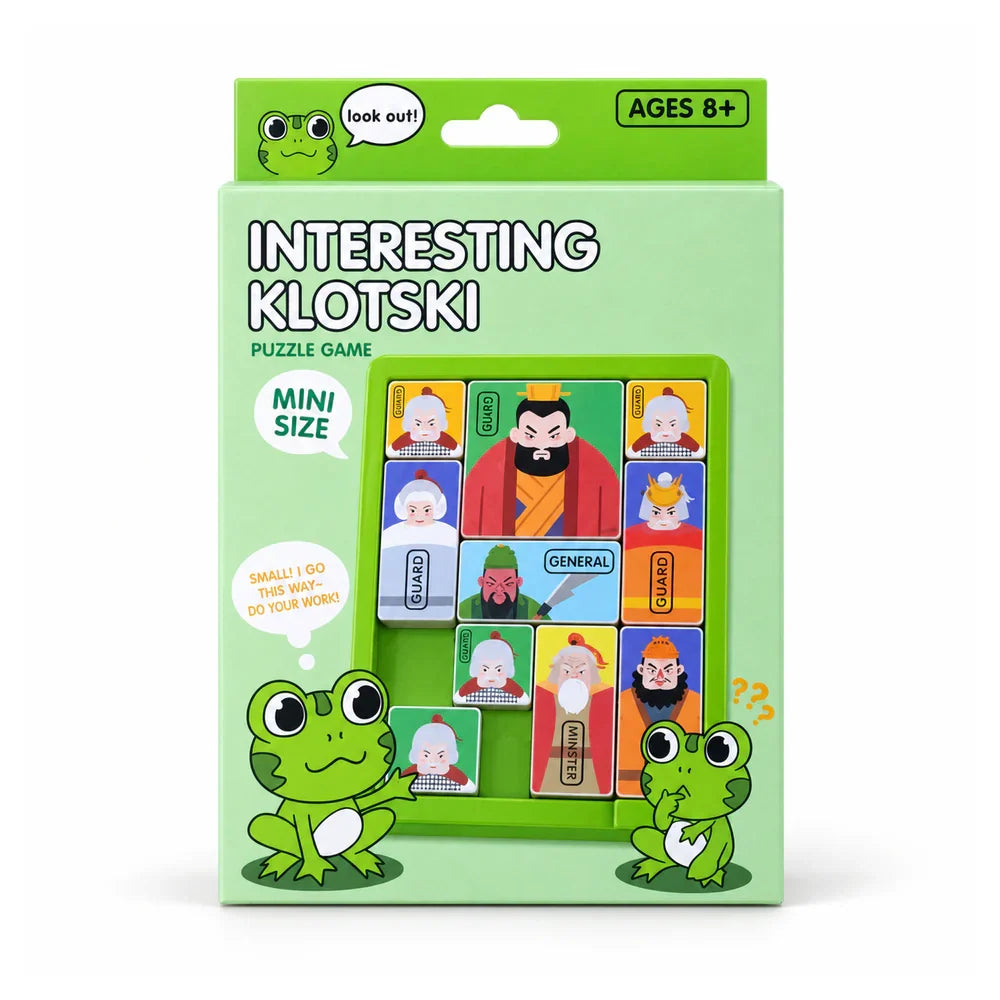
In a sliding block puzzle, the empty space is part of the problem. Moving a piece can open room somewhere else, even when it appears to move away from the goal. For an eight-year-old learning the format, first explore legal moves and reversible experiments. A complete solution is not necessary in the first sitting, and the fastest route is not the only useful thing to notice.
Before you begin
Use a sliding set with a package age that includes the child. Photograph or sketch the starting arrangement before moving pieces. Explain the target and check whether pieces may rotate, lift or only slide according to that set’s rules.
Follow the space instead of chasing the goal
Find the available space and name which piece can legally enter it. Try the move and notice where space appears next. This helps the child see the board as connected changes rather than pushing the target repeatedly against a blocker. Keep the goal visible but allow experiments that temporarily move away from it.
Try a short sequence and undo it
Pick a small experiment: move a blocker, then see whether a second piece can pass. If it closes every useful opening, reverse the moves in order. The child can use arrows or a quick sketch to remember. An adult should not quietly rearrange the board while explaining, because that breaks the link between the plan and the result.
Spot a loop without blaming the player
If the same arrangement returns, say “We have seen this position before.” Record it or compare with the starting picture. Ask which different first move could lead to a new arrangement. Avoid declaring the puzzle impossible after one loop, and avoid promising a particular move count unless you have checked that exact starting layout.
When the first attempt does not work
If the child lifts pieces to finish, calmly return to the agreed legal-move rule and offer an easier starting example if the manufacturer provides one. If frustration rises, preserve the board and stop. A reset is easier when the original arrangement was recorded before play.
Try the idea with things at home
Draw a small grid and make large paper tiles that leave a clear gap. Practise sliding into the gap without claiming the homemade arrangement has a known solution. The goal can simply be moving a marked tile to an agreed position using legal moves.
Examples from Kiddil’s toy range
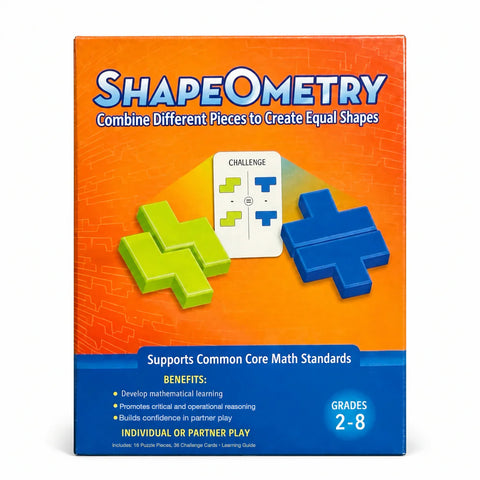
Klotski is the actual sliding example here. The Geometric Shape set offers a different rearranging task if the child prefers lifting and replacing pieces; it is not presented as a sliding puzzle. Read the supplied starting layout for Klotski.
- Klotski Sliding Block Puzzle — ages 8–10.
- Geometric Shape Puzzle — ages 7–13.
Check the package age and safety instructions before use.
Questions about this activity
Is moving away from the exit a mistake?
Not necessarily. A temporary move can create space for a later one. Check the effect on the whole arrangement.
Should we restart every time we get stuck?
Try undoing a short sequence first. Reset when you choose to, using a reliable picture of the intended starting position.
Choose your next step
- Logic Games for Eight-Year-Olds: Plan, Test and Explain
- Codebreaker Colour Game: A Parent’s First-Round Guide
- The main guide for this topic
- Browse available toys
- All toy and game parent guides
Related expert background: Source and background. These activities are Kiddil editorial suggestions, not a developmental test or an outcome guarantee.
Toys in this guide
Check each product's age, contents and instructions before choosing. Prices and availability come from the store.


About Kiddil: an online shop for toys and children's books in Egypt, for ages 0 to 12. Delivery to every governorate (EGP 79, free from EGP 1,500), cash on delivery and 14-day returns. All toys · Children's books